



1. Mastering the Pre-Purchase Inspection
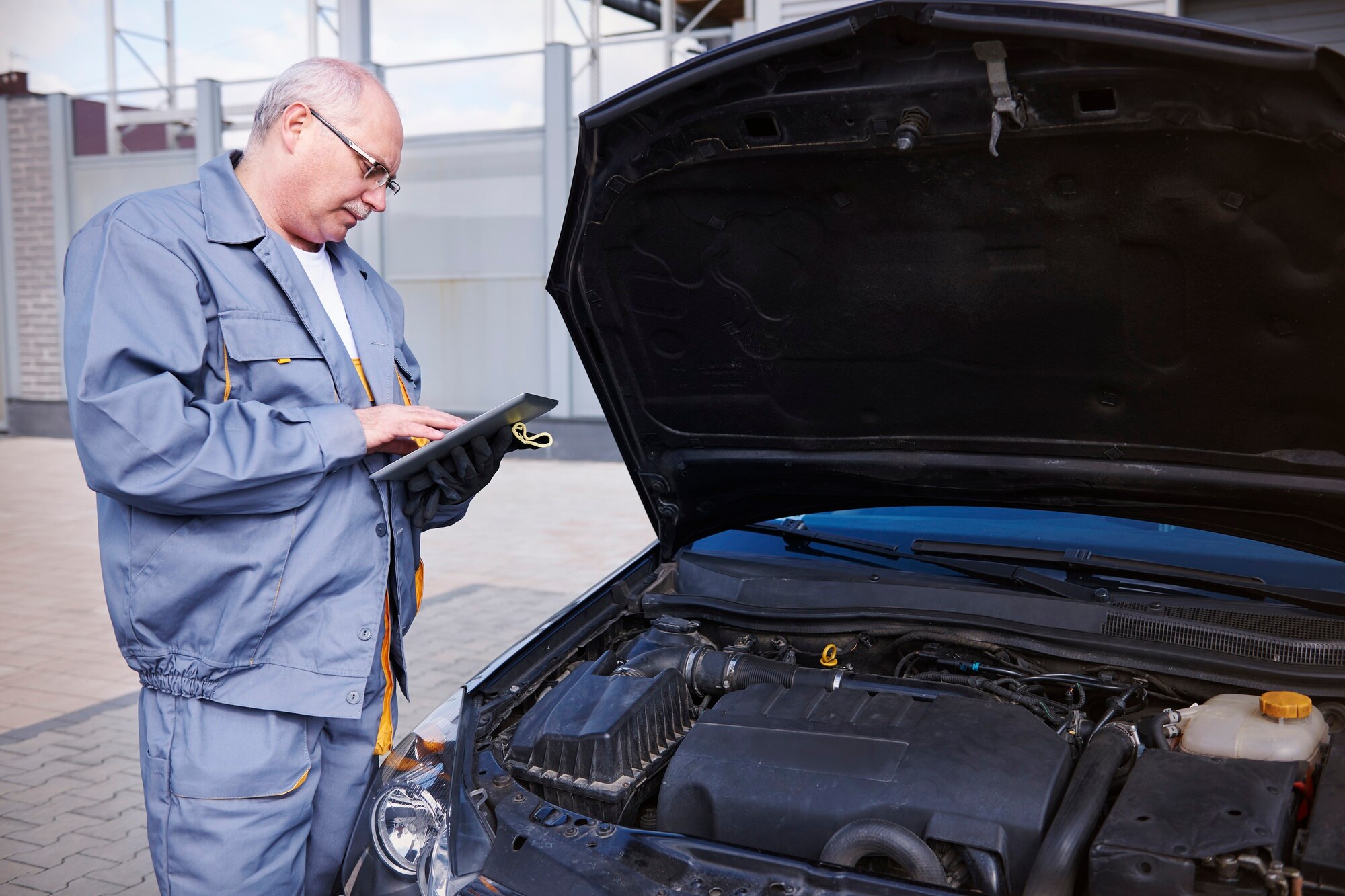
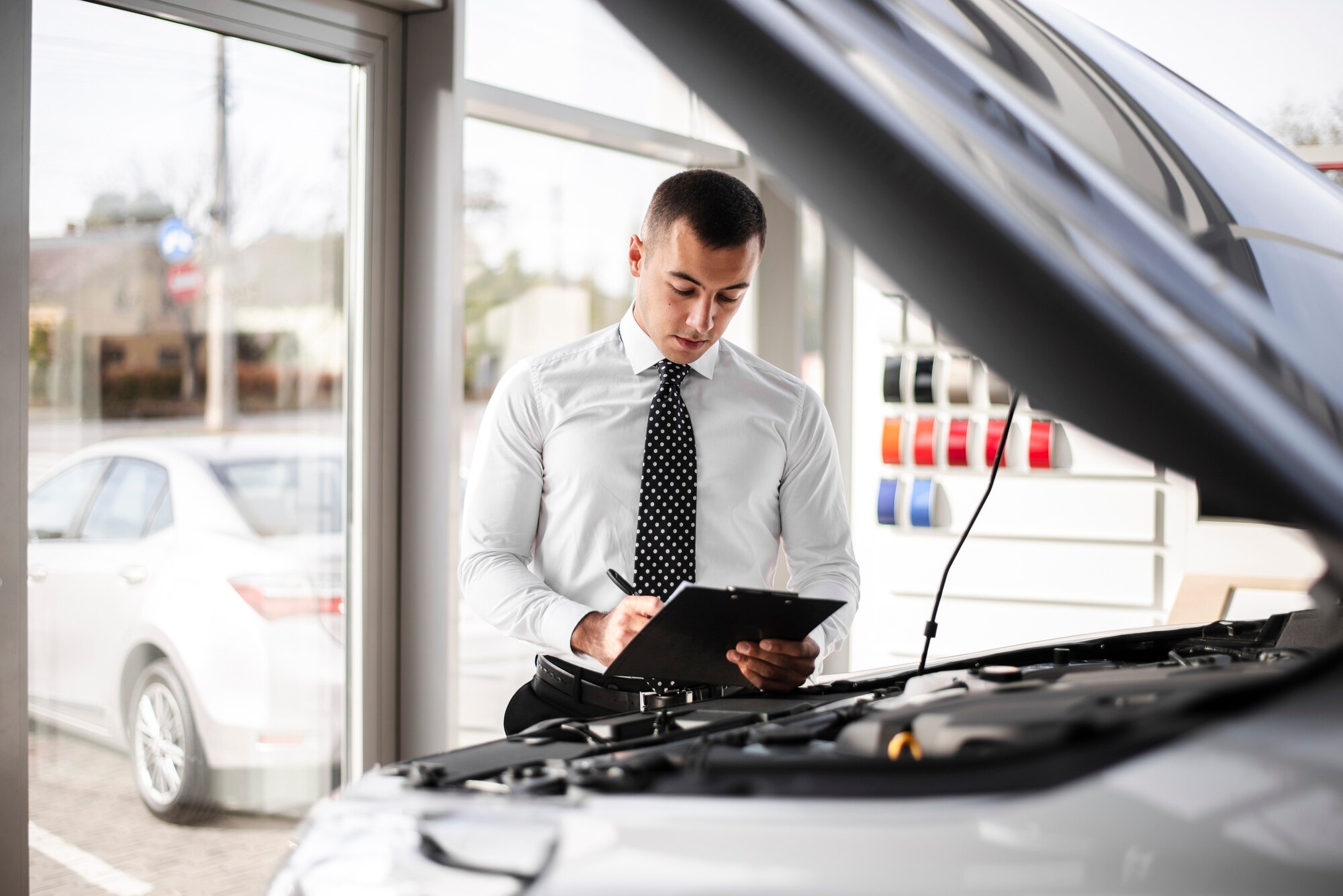
Buying a car is one of the most significant investments you will make. To avoid inheriting someone else's mechanical nightmares, a thorough inspection is non-negotiable. Start with the exterior: look for inconsistent panel gaps or slight variations in paint color, which often signal previous accident repairs. Check the tires for uneven wear—this can indicate alignment issues or suspension damage.
The Essential Inspection Checklist
- Fluid Health: Check the oil, coolant, and brake fluid. Dark, gritty oil or milky coolant are major red flags.
- Electrical Systems: Test every button, from the window regulators to the infotainment system and air conditioning.
- Underbody: Inspect for rust or fresh fluid leaks that might be hidden by a quick engine wash.
- Test Drive: Listen for knocks, feel for vibrations in the steering wheel, and ensure the transmission shifts smoothly.
2. Strategic Selling: Maximizing Your Vehicle's Value
When it comes time to part ways with your vehicle, presentation is everything. A well-maintained car sells faster and for a higher price. Begin with a professional-grade detail. A clean engine bay and a polished exterior signal to buyers that the car has been cared for. Gather all service records; a documented history is the best proof of reliability you can offer.
Be honest in your description. Highlighting recent repairs, such as new brake pads or a fresh timing belt, builds trust and justifies a higher asking price. Take high-quality photos during the "golden hour" (shortly after sunrise or before sunset) to make your car look its best without harsh shadows.
3. The Mechanics of Longevity
Modern engines are marvels of engineering, but they require consistent care to reach their full potential. Preventive maintenance is the single most effective way to reduce long-term costs. Changing your oil every 5,000 to 7,500 miles (depending on the manufacturer's recommendation) prevents sludge buildup and internal wear.
Don't ignore the small things. A clogged air filter can reduce fuel efficiency, while old spark plugs can cause misfires and damage your catalytic converter. Regular diagnostic scans can catch sensor issues before they lead to expensive breakdowns.

4. How to Drastically Reduce Maintenance Costs
You don't need to be a certified mechanic to save money on car care. Many routine tasks are simple enough for the average owner to perform at home. Replacing your own cabin air filter or windshield wipers can save you significant labor fees at the dealership.
DIY Basics
Learn to change bulbs, filters, and fluids. These small tasks add up to hundreds in savings annually.
Smart Parts
Source high-quality OEM or reputable aftermarket parts online rather than paying dealership markups.
Drive Smarter
Smooth acceleration and braking reduce wear on your engine, brakes, and tires, extending their lifespan.
Conclusion: The Velkora Philosophy
Ownership is a journey, not a destination. By staying proactive and informed, you transform your vehicle from a source of stress into a reliable partner for your daily life. At Velkora, we are committed to providing you with the tools and knowledge to navigate the automotive world with ease. Remember, the best time to check your oil or inspect your tires was yesterday; the second best time is right now.